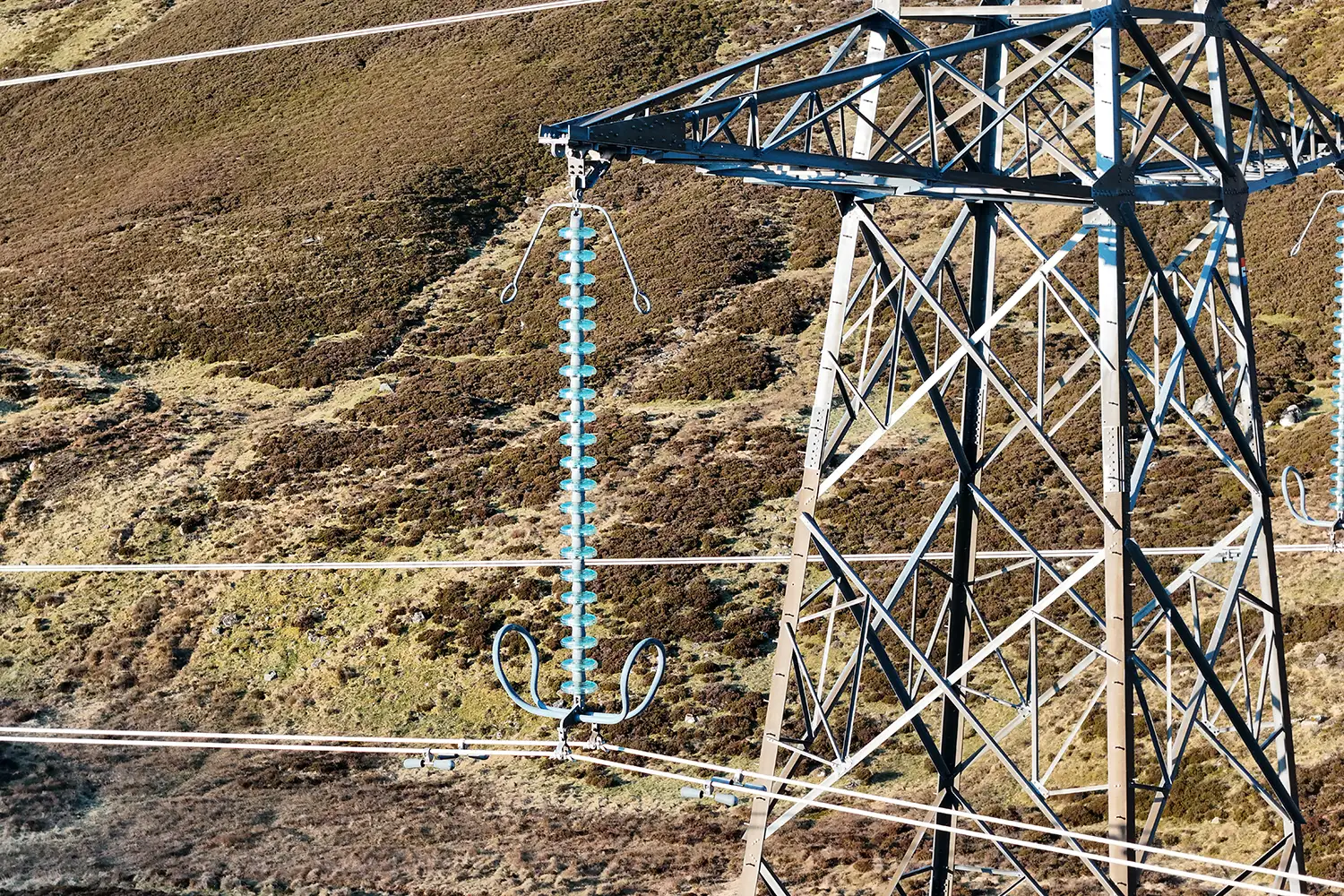
Drone Transmission Line Inspection in the UK: Capabilities, Challenges, and Solutions
The UK’s national grid relies on thousands of miles of transmission lines to deliver electricity safely and reliably. Regular inspection and maintenance are critical to prevent outages, reduce risks, and ensure compliance with safety standards. Traditionally, these inspections have involved helicopters, cherry pickers, or climbing teams – methods that are costly, time consuming, and hazardous. Today, drone technology is transforming transmission line inspection in the UK, offering faster, safer, and more cost effective solutions.
Drone Capabilities for Transmission Line Inspection
Modern drones equipped with high-resolution cameras, LiDAR, and thermal imaging sensors provide a comprehensive inspection solution. These capabilities allow inspectors to identify issues such as:
- Corrosion and rust on towers and hardware
- Loose fittings and damaged insulators
- Overheating conductors detected through thermal imaging
- Vegetation encroachment threatening line safety
Drones can capture data in real time and create detailed 3D models of pylons and lines, helping asset managers track deterioration over time. With precise GPS tagging, repeat inspections can be carried out consistently to monitor changes at specific points. This data driven approach improves predictive maintenance and reduces the likelihood of costly emergency repairs.
Key Problems in UK Transmission Line Inspection
Despite the advantages, several challenges remain in adopting drones for transmission line inspection in the UK:
- Regulatory compliance: Civil Aviation Authority (CAA) regulations restrict flying beyond visual line of sight (BVLOS) without special permissions, limiting large-scale inspection efficiency.
- Environmental conditions: The UK’s unpredictable weather can impact flight schedules, sensor accuracy, and battery life.
- Data management: The huge volume of imagery and LiDAR data requires secure storage, efficient processing, and integration into asset management systems.
- Safety and electromagnetic interference: High-voltage lines can create electromagnetic fields that disrupt drone navigation and sensor performance.
These challenges mean that while drones are a powerful tool, they must be used within a robust operational framework to deliver consistent results.
Drone Solutions for the UK Energy Sector
Leading drone inspection companies are addressing these issues with innovative solutions:
- BVLOS capabilities: Working with the CAA, companies are developing safe BVLOS operations to cover long stretches of transmission lines efficiently.
- Weather resilience: Using drones with extended battery life, stable gimbals, and all-weather sensors ensures reliability in varied UK conditions.
- AI-powered analytics: Artificial intelligence and machine learning algorithms now process visual and thermal data, automatically flagging faults such as cracked insulators or conductor hotspots.
- Digital asset management: Cloud-based platforms integrate inspection data directly into existing utility management systems, streamlining reporting and maintenance planning.
By combining advanced hardware, AI driven analytics, and compliance with UK aviation regulations, drone companies are making power line inspection faster, safer, and more cost-effective than ever before.
Conclusion
Drones are rapidly becoming the standard for transmission line inspection in the UK, helping energy companies reduce costs, minimise downtime, and improve worker safety. While challenges such as regulation, weather, and data handling remain, innovative solutions are already in place to overcome them. For transmission operators looking to modernise infrastructure inspection, drone technology offers a future proof, scalable approach that delivers accuracy, efficiency, and long term reliability.